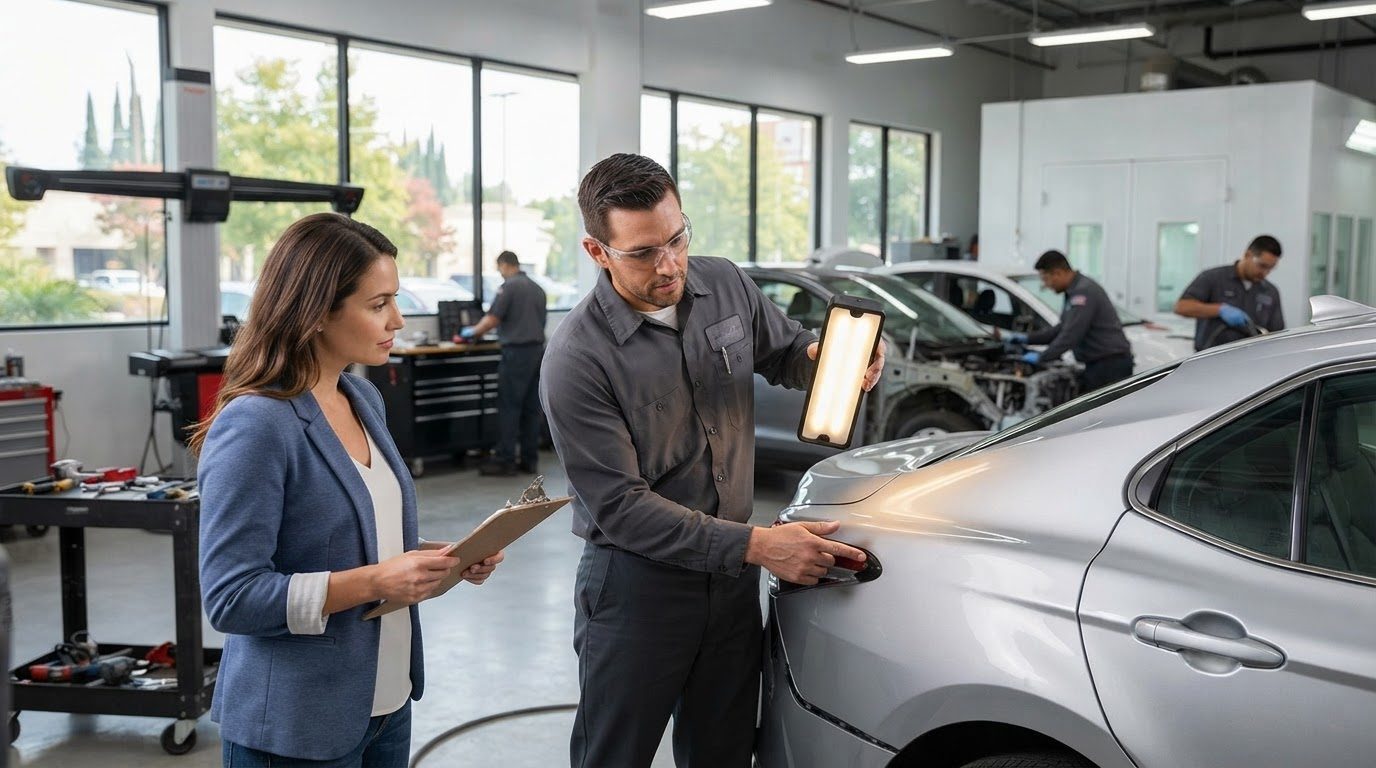
A collision can leave more than a dent or scraped bumper. Modern vehicles may conceal damage behind impact-absorbing structures, sensors, wiring, glass, and advanced driver-assistance systems (ADAS), making a careful inspection more important than a quick cosmetic fix.
For Sacramento drivers researching relux collision, the central question is how a repair facility approaches safety, documentation, workmanship, and communication after an accident. Those standards matter whether the vehicle is a daily commuter, a family SUV, or a high-value luxury model.
The right repair process should restore the vehicle’s structural integrity, appearance, drivability, and safety systems. It should also provide a clear explanation of what was damaged, which parts will be used, what testing is required, and how completion will be verified.
A Sacramento Repair Facility Built Around Safety and Precision
Relux Collision is an auto body and collision repair shop serving Sacramento, with published information indicating that it handles all major makes and models, including luxury vehicles. That range creates different technical demands: an economy sedan may require conventional panel and bumper work, while an exotic or premium vehicle may involve aluminum, carbon-fiber, specialized finishes, sensor integration, and strict manufacturer repair procedures.
The facility identifies I-CAR Gold Class and OEM-certified technicians among its qualifications. These designations should be understood precisely. I-CAR training reflects collision-repair education and role-specific technical development, while OEM certification generally applies to particular manufacturers, models, procedures, or equipment. Consumers should ask which technician certifications apply to their vehicle and repair type.
After an impact, visible damage is only part of the evaluation. A proper assessment may include:
- Measuring the body or frame against manufacturer dimensions.
- Checking suspension, steering, wheel alignment, and restraint-system components.
- Inspecting wiring, radar sensors, cameras, parking sensors, and lighting.
- Looking for damage behind bumpers, fenders, grilles, and interior trim.
Sacramento’s hot, dry summers and intense sunlight also make paint preparation and clear-coat quality important. A repair can look acceptable under shop lighting but reveal color or gloss differences outdoors if blending and curing are not carefully controlled.
Services That Cover the Full Scope of Vehicle Damage
Collision and Structural Repairs
A collision estimate normally begins with photographs, panel inspection, diagnostic scanning, and disassembly where necessary. Initial estimates often change when hidden damage is uncovered. These additional findings are called supplements and should be documented and submitted for authorization before extra work proceeds.
Structural repairs may involve frame-machine measurements, replacement of crush-zone components, welds, adhesives, rivets, and manufacturer-specified joining methods. The correct technique depends on the vehicle’s construction. High-strength steel, aluminum, and composite materials cannot always be repaired using the same tools or heat levels.
Panel replacement and reassembly also require careful attention to:
- Door, hood, trunk, and fender gaps.
- Fastener type and corrosion protection.
- Headlamp aim and bumper fit.
- Weather seals, clips, moldings, and interior trim.
Cosmetic repairs should not begin until structural and mechanical concerns have been evaluated. Paint cannot compensate for a misaligned body structure, and a new bumper cover cannot correct damaged reinforcement or improperly mounted sensors.
Bumper, Dent, Glass, and Paint Repair
Minor damage may be repairable rather than requiring complete component replacement. Paintless dent repair, for example, can preserve a factory finish when the metal is accessible and the paint remains intact. Conventional dent repair may require metal finishing, filler, primer, sanding, and refinishing.
Common services include:
- Bumper cover repair or replacement.
- Dent and crease removal.
- Windshield and side-glass replacement.
- Scratch and scuff repair.
- Panel refinishing, blending, and color matching.
- Replacement of trim, grilles, lamps, and emblems.
Glass replacement deserves special attention because a windshield may contain cameras or support the vehicle’s structural safety cell. After replacement, some vehicles require camera aiming or ADAS calibration. A cosmetic repair may cost roughly $150 to $600 for a small dent or bumper-area repair, while extensive collision work can reach several thousand dollars. Luxury parts, sensors, aluminum repairs, and factory glass can raise costs substantially.
Diagnostics, Calibration, and Vehicle Protection
Diagnostic scanning identifies stored fault codes and helps determine whether an impact affected restraints, electrical systems, or control modules. A scan may be required before and after repairs, with results retained in the repair file.
ADAS calibration can involve:
- Forward-facing camera calibration.
- Radar alignment.
- Blind-spot and lane-departure system checks.
- Parking sensor verification.
- Steering-angle and yaw-rate resets.
Calibration requirements vary by vehicle, repair location, alignment condition, windshield replacement, and manufacturer instructions. Some procedures are static, using targets and calibrated equipment; others require a controlled road test. A repair is not complete merely because warning lights are off.
Paint protection film (PPF), wraps, and detailing support the restoration process rather than replacing collision repairs. PPF can protect vulnerable painted areas from stone chips, while detailing improves presentation after bodywork. These services should be scheduled only after paint has cured according to the product and refinishing system requirements.
What to Expect After an Accident
Immediately after a crash, prioritize people and scene safety. If possible, document vehicle positions, damage, road conditions, and relevant signs. Exchange information, contact the insurer, and request emergency assistance when needed. Do not drive a vehicle with leaking fluids, damaged steering or suspension, deployed restraints, exposed wiring, compromised glass, or severe wheel or tire damage.
Relux Collision’s published information says the shop can help arrange towing and communicate with insurance companies. Even so, confirm the destination before authorizing a tow and ask whether storage, teardown, rental coordination, and supplemental approvals are handled directly.
The estimate process typically includes:
- Vehicle intake and safety inspection.
- Photographs and damage documentation.
- Diagnostic scanning where appropriate.
- Disassembly to identify hidden damage.
- A written repair plan with parts and labor categories.
- Insurer review and supplement authorization.
Repair time can range from a few days for limited cosmetic work to several weeks for structural damage. Parts availability, backordered sensors, insurance decisions, paint curing, sublet services, and calibration requirements are common causes of delay. Ask for milestone updates rather than relying on an initial delivery date.
Insurance, Deductibles, and Repair Decisions
A shop may communicate with an insurer, prepare documentation, and explain estimate differences, but the vehicle owner remains responsible for understanding the claim. In California, consumers should ask questions about parts classification, warranties, repair procedures, and any difference between the insurer’s estimate and the shop’s manufacturer-aligned plan.
The published promotion for Relux Collision advertises deductible assistance of up to $1,000 and a discount of up to 10 percent. These offers should not be treated as universally applicable. Confirm eligibility, expiration dates, participating repairs, exclusions, insurer requirements, and whether the offer can be combined with other promotions before authorizing work.
Important questions include:
- Are replacement parts OEM, aftermarket, recycled, or remanufactured?
- Does the proposed method follow the vehicle manufacturer’s repair information?
- Which parts are being repaired instead of replaced, and why?
- How are supplements submitted and approved?
- Are calibration and post-repair scans included in the estimate?
Repair choice should not be based on the lowest initial number alone. A cheaper estimate may omit hidden damage, required calibration, corrosion protection, or necessary diagnostic procedures.
Quality Assurance, Warranty, and Choosing the Right Repair Shop
Before delivery, a disciplined facility should perform a final inspection covering panel fit, paint texture, color match, trim, lighting, glass, tire pressure, fluid levels, and road-test concerns. Diagnostic verification should confirm that relevant fault codes are resolved. Where applicable, ADAS calibration documentation should be reviewed, not merely assumed.
Relux Collision states that it offers a lifetime repair warranty. Ask for the written warranty before work begins and review its duration, covered defects, paint and corrosion provisions, exclusions, geographic limitations, transfer rules, and ownership requirements. “Lifetime” warranties commonly apply only while the original customer owns the vehicle and may exclude unrelated damage, wear, neglect, or modifications.
A practical selection checklist includes:
- I-CAR, OEM, or other relevant technician qualifications.
- Manufacturer repair procedures and parts documentation.
- Pre- and post-repair diagnostic scans.
- Frame measurement or alignment records when applicable.
- ADAS calibration capability and reports.
- Insurance and supplement communication.
- Towing and rental support.
- Written warranty terms.
Before approving repairs, ask who will perform the structural, paint, electrical, and calibration work; how changes to the estimate will be authorized; whether parts are ordered before teardown; and how the shop verifies safe completion. Those answers provide a more reliable measure of repair quality than appearance alone.
