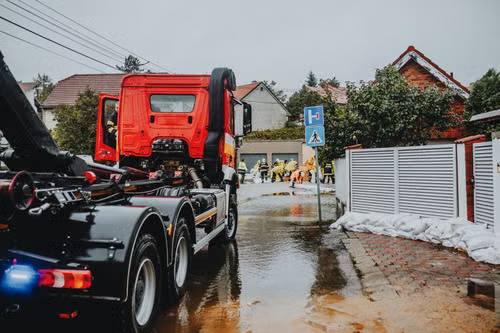
Watch a Denver neighborhood in the week after a major hailstorm, and a strange migration begins. Trucks with unfamiliar logos and out-of-state plates start rolling slowly down residential streets, and clean-cut crews begin knocking on doors offering free inspections. Some of these outfits do honest work. Some exist to sign contracts fast and leave faster. Telling a legitimate water damage company apart from a storm chaser is a skill, and it is easiest to learn now, before you are standing in a soaked living room with a stranger on your porch.
The stakes justify the homework. When hail cracks a roof or a skylight, and water follows it inside, you need a water damage company that will still exist when the drying takes a week, the rebuild takes a month, and a warranty question comes up next spring. The National Insurance Crime Bureau has tracked the pattern for years: dishonest operators take payment and vanish, or leave shoddy, unfinished work behind, and nearly all of these schemes start with an unsolicited knock. Their advice fits on a bumper sticker. If you didn’t request it, reject it.
Colorado sits near the center of this problem, not the edge. NICB found the state second only to Texas in hail damage claims over one three-year study period, and every big storm pulls a fresh wave of door-knockers into Front Range neighborhoods. Restoration Logistics has watched the cycle repeat across Denver for years, and the same handful of tells separate the companies that belong here from the ones just passing through. Here is the field guide.
Tell One: How They Found You
You called a local company, or a neighbor referred it, or you found it after research. A storm chaser found you by driving your street and knocking on your door within days of the storm. That difference in direction matters more than anything printed on the truck. Legitimate emergency crews stay busy answering their phones after a storm. They do not have spare staff to canvass driveways. Unsolicited arrival is not proof of fraud, to be fair, but it is the single strongest warning sign the NICB names.
Tell Two: The Speed of the Paperwork
A real water damage company inspects first, documents the damage with photos and moisture readings, and explains scope before anyone signs anything. A storm chaser reverses the order. The contract appears in the first conversation, the price is “only good today,” and the document may arrive with blank spaces. NICB’s guidance is blunt: never sign a contract with blanks, since missing terms can be filled in later, and never let urgency come from the salesperson instead of the water. Watch for one clause above all. An assignment of benefits transfers your insurance rights to the contractor, and it deserves a slow read, not a driveway signature.
Tell Three: Where the Money Goes and When
Payment structure tells its own story. Established companies bill in stages tied to completed work and coordinate directly with your insurer, with documentation your adjuster can verify. The storm chaser pattern runs on large upfront cash: a big deposit “to order materials,” pressure to hand over the insurance check, sometimes an offer to “cover your deductible,” which should end the conversation on its own. NICB’s rule is simple and worth memorizing. Never pay in full or sign a completion certificate before the work is actually finished.
Tell Four: The Address Test
Perhaps the fastest check of all takes thirty seconds. Ask where the company’s office is, then look it up. A local operation has a physical Colorado address you can drive to, local reviews stretching back years, and jobs it can point to in your own metro area. A storm chaser has a phone number, a website registered last month, and a mailing address two states away. Think about what that means in February, when a warranty issue surfaces on work done in June. One company is twenty minutes up the road. The other is a disconnected number.
Tell Five: What They Know About Your House
Let’s not overlook the quietest tell. Denver housing is peculiar: hundred-year-old brick with plaster walls in one block, new high-rise condos the next, all of it sitting in dry mile-high air that hides saturation and complicates drying. A company that works here daily talks about those specifics without prompting. A crew that was in Oklahoma last month talks in generalities, because your city is just this season’s stop. Ask how Denver’s dry climate affects drying time. The answer, or the blank look, tells you plenty.
What to Do When the Knock Comes
Next steps, for the week after the next big storm:
- Do not sign anything on the day of the knock, whatever the discount.
- Call your insurance company before hiring anyone, as NICB advises
- Get every bid in writing with scope, materials, schedule, and payment terms itemized.
- Verify a physical local address, business insurance, and references from past local jobs.
- Photograph your damage yourself before any contractor touches it.
None of this requires confrontation. A polite “leave your card, I’ll call if I need you” filters out most of the pressure on its own, because pressure is the storm chaser’s whole business model, and patience defeats it.
The Company You Want Was Here Before the Storm
Here is the cleanest way to frame the choice. The right water damage company existed in your city before the hail fell and will exist long after the out-of-state trucks head to the next disaster. It has an address you can visit, a reputation it cannot afford to burn, and neighbors among its past customers. Storm chasers harvest a neighborhood once. Local companies live on being invited back. When the water is coming through your ceiling, hire the one with something to lose in Denver, because that something is exactly what protects you.
